ONCOLOGIA
ONCOLOGIA
Head and neck cancers are characterized by high incidence, diverse histological types with distinct biological behaviors, and surgery remains the primary effective treatment. However, the intricate local anatomy adjacent to critical structures for respiration, phonation, and swallowing creates a persistent global challenge in achieving radical resection while preserving physiological function and aesthetic appearance. Professor Li Chao from Sichuan Cancer Center has dedicated over two decades to head and neck surgical oncology. Closely following China’s epidemiological trends in head and neck tumors, he has published more than 300 peer-reviewed papers (Chinese and English), developed multiple original patented technologies, and led the formulation of national guidelines, expert consensuses, and standards. His systematic research and clinical translation efforts focus on four major domains: endoscopic minimally invasive surgery, robotic assisted function preserving techniques, digital reconstruction for advanced tumors, and AI driven science popularization. This article integrates the latest 2024 epidemiological data released by the National Cancer Center of China, and comprehensively reviews China’s academic innovations, clinical breakthroughs, and societal contributions in head and neck oncology from the following four perspectives: the current status of head and neck cancer incidence and mortality; endoscopic and robotic minimally invasive innovations; digital reconstruction practices for advanced defects; and the effectiveness of intelligent science popularization.
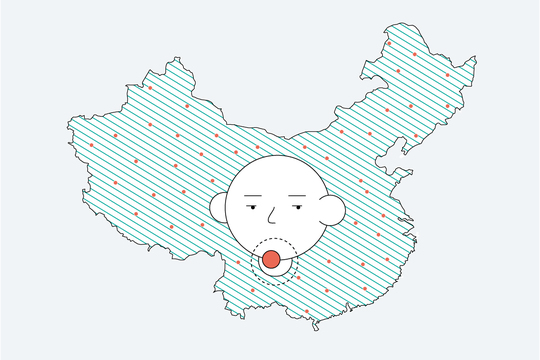
Head and neck cancer is the sixth most common cancer worldwide, encompassing malignancies of the thyroid, oral cavity, larynx, pharynx, and nasopharynx. According to 2024 estimates by the National Cancer Center of China, the annual number of new cases of head and neck squamous cell carcinoma (excluding nasopharyngeal carcinoma) is 94,600, with 52,100 deaths.
For nasopharyngeal carcinoma, there are 51,000 new cases and 28,000 deaths annually, with the incidence in males approximately 2.3 times that in females. From a broader statistical perspective, the latest data from the China Malignant Tumor Discipline Development Report indicate that China sees approximately 146,000 new cases of head and neck cancer each year, with nearly 81,000 deaths, and both numbers continue to rise. Over the past decade, the incidence of head and neck tumors has increased by 25%, while the five year survival rate remains only 50%–60%. Alarmingly, due to atypical early symptoms, about 75% of patients with head and neck tumors are already at an advanced stage at their first visit, significantly increasing treatment difficulty and risk.
.png)
In 2024, approximately 574,100 new cases of thyroid cancer were reported nationwide. Over the past decade, the overall incidence has increased by more than 220%, making thyroid cancer the second most common malignancy in China, second only to lung cancer. The incidence in females is about three times that in males. The annual number of deaths is only 13,000. The five year overall survival rate for differentiated thyroid cancer exceeds 98%, and the mortality rate has remained extremely low for a long period. The increase in incidence is partly attributable to the widespread adoption of routine health checkups, where high resolution cervical ultrasound detects numerous occult micropapillary lesions, but there is also a true increase in incidence driven by environmental and endocrine factors.
The main risk factors fall into four categories:
Conventional open surgery leaves a visible scar on the anterior neck (particularly problematic in Asian populations), along with the risks of recurrent laryngeal nerve and parathyroid gland injury during surgery, which have driven the demand for scarless endoscopic and robotic procedures.
In 2024, there were 69.000 new cases of oral squamous cell carcinoma nationwide, with 35,000 deaths, giving an overall case fatality rate of nearly 60%. The southwestern and southern provinces are high incidence regions, showing strong geographic clustering. Betel quid chewing is an indigenous, specific, high risk factor in China; long term betel quid chewers have a 4.2 fold higher risk of oral cancer compared to the general population. Combined exposure to tobacco and alcohol has a synergistic carcinogenic effect, increasing the risk by more than 8 fold in those with long standing smoking and heavy drinking habits. Persistent HPV16 infection accounts for approximately 40% of oropharyngeal cancer etiologies in China. In addition, dental root remnants, ill fitting prostheses, and long standing recurrent chronic mucosal ulcers can continuously stimulate epithelial tissues and lead to malignant transformation. Advanced oral cancer easily results in full thickness through and through defects of the maxillofacial region, severely impairing chewing, occlusion, and facial appearance after conventional radical surgery, thus urgently requiring digital reconstruction strategies.
In 2024, there were 17,300 new cases of laryngeal cancer nationwide and 13,200 deaths. Males account for more than 85% of patients, with the peak age of onset in the 50 to 70 year old population. Long term heavy smoking and excessive alcohol consumption are two independent high risk factors: harmful substances in tobacco continuously erode the laryngeal mucosa, while alcohol causes chronic mucosal erosion and damage; their combination dramatically increases the risk of carcinogenesis. Gastroesophageal reflux causing long term laryngeal irritation, occupational exposure to dust, and HPV infection are secondary risk factors. Conventional open laryngeal cancer surgery often requires tracheostomy and partial resection of the vocal cord tissue, leading to permanent hoarseness or even loss of voice. This provided the core impetus for Professor Li Chao’s development of transoral robotic larynx preserving surgery. Moreover, a team of otorhinolaryngologists in Sichuan, China, has successfully performed several laryngeal transplantations, offering a new approach for functional preservation in advanced laryngeal cancer.
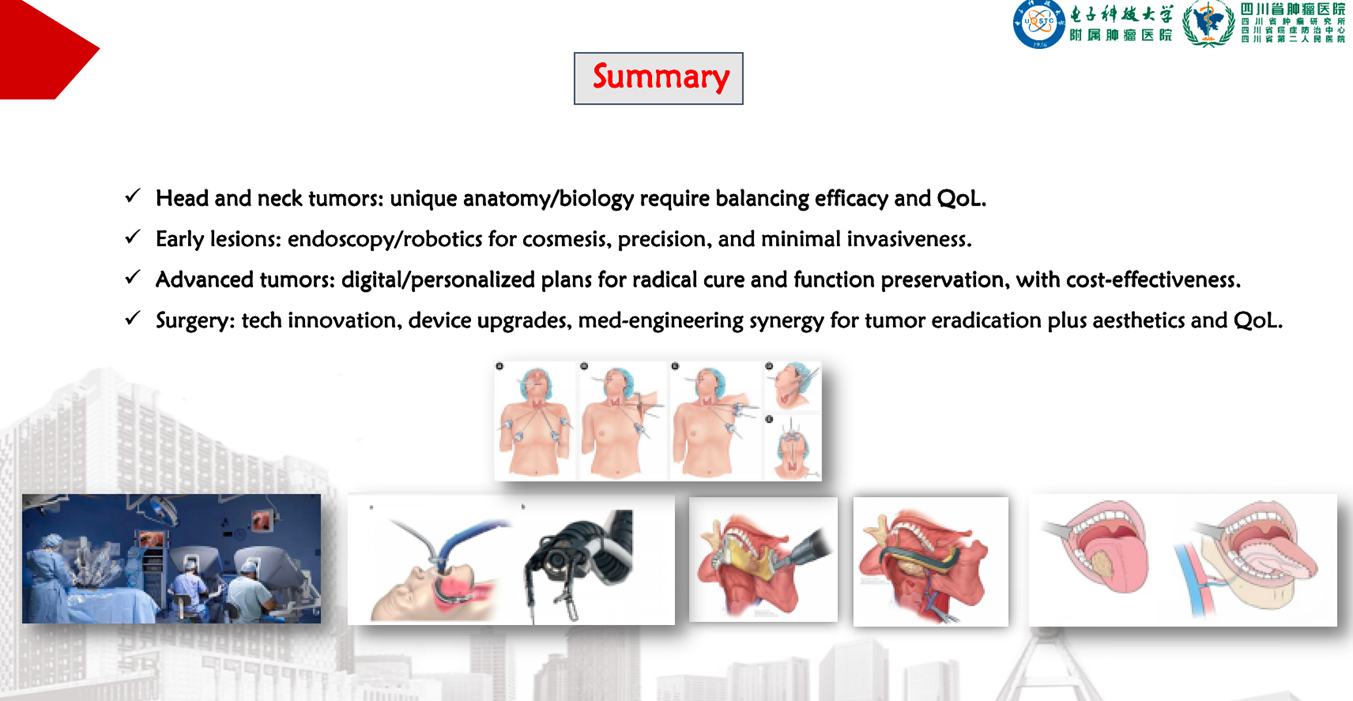
Professor Li Chao’s team focuses on the goals of minimally invasive, scarless surgery, and neural and organ preservation in head and neck surgery. They have established a technical system centered on gasless endoscopy, the da Vinci surgical robot, and a domestic single port robot. Through a series of studies on standardized procedural workflows, original surgical approaches, and adapted instrument refinement, their findings have been published in authoritative domestic and international journals such as the Chinese Journal of Otorhinolaryngology Head and Neck Surgery and Head and Neck. Several operative specifications have been incorporated into national expert consensus documents, with functional preservation as the core guiding principle throughout.
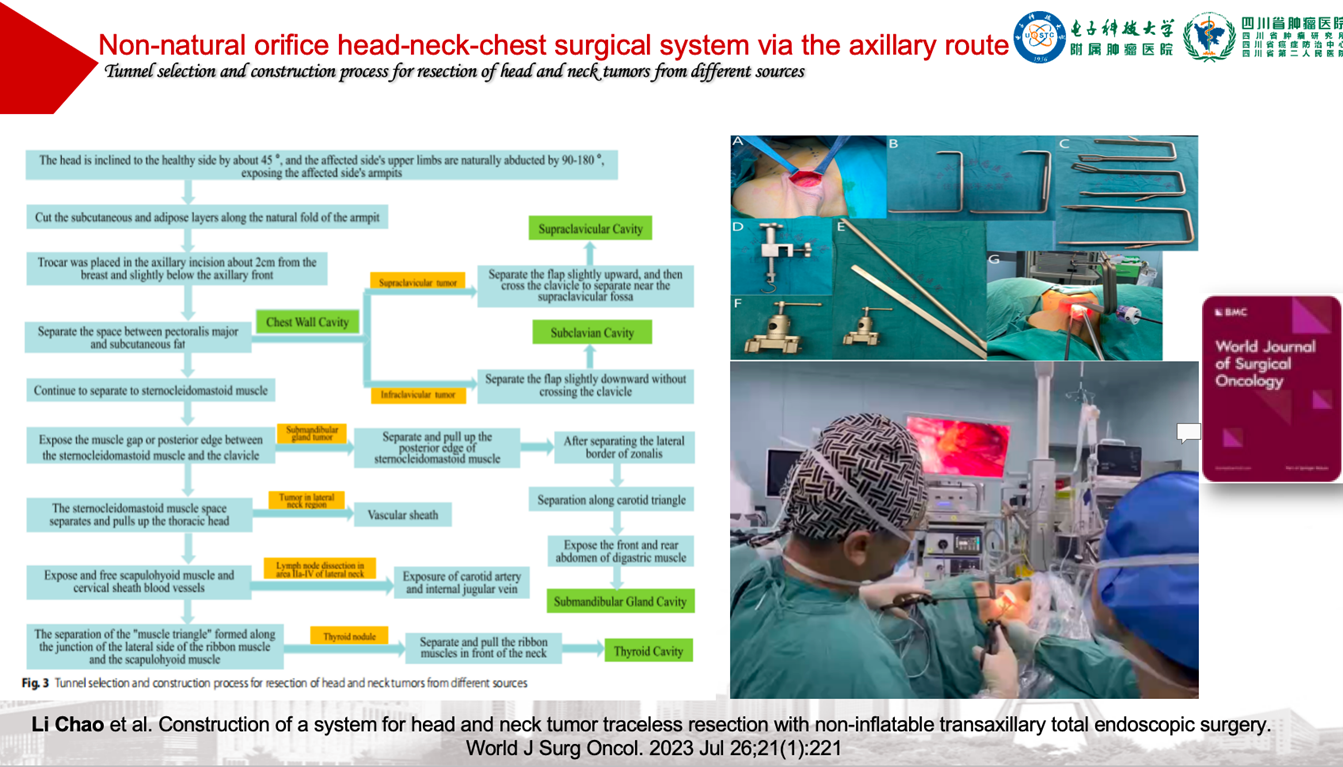
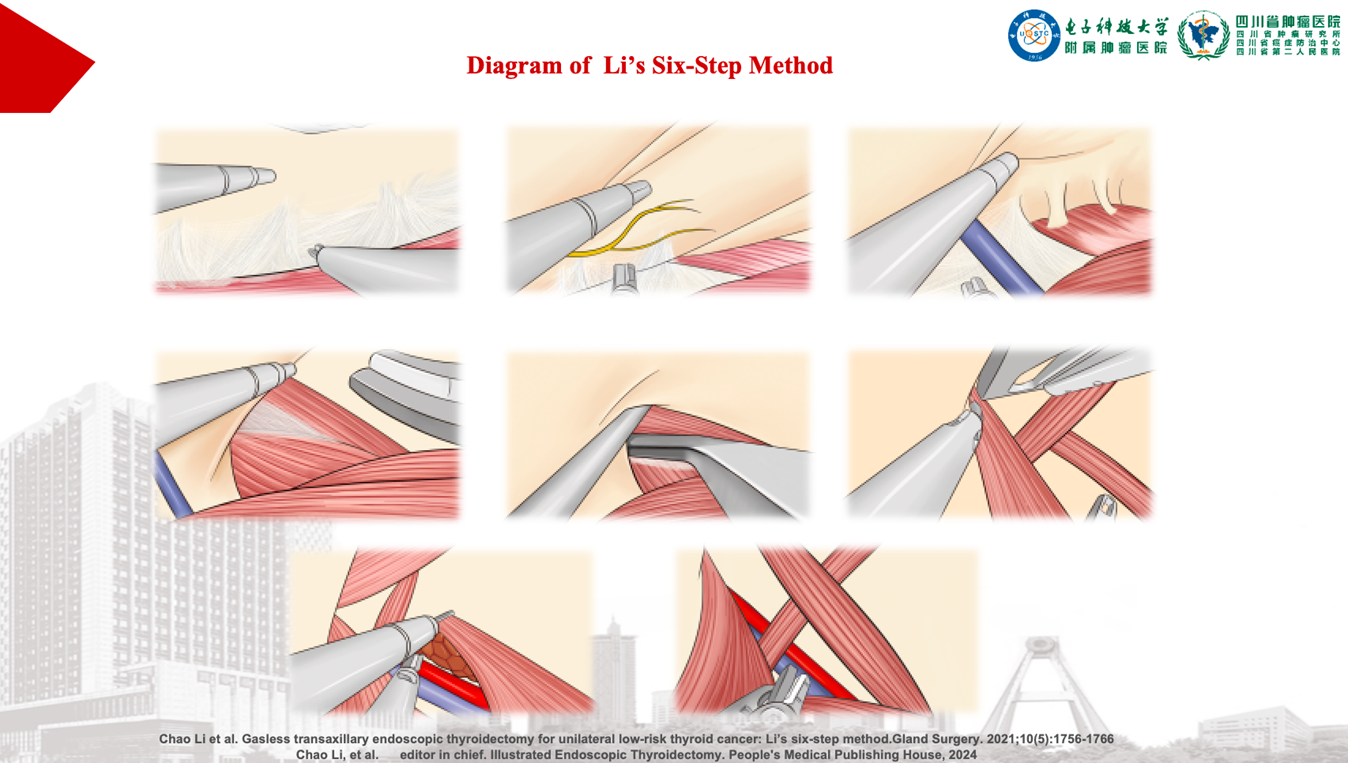
Transaxillary gasless endoscopic thyroid surgery avoids a cervical incision scar, but the natural working space is narrow, visual exposure is limited, and the risks of recurrent laryngeal nerve and parathyroid injury are high. Based on extensive clinical cases, Professor Li Chao developed a standardized operating procedure – “Li’s Six Step Technique” – for gasless transaxillary endoscopic thyroid surgery, published in the international journal Gland Surgery. This technique establishes unified operational rules for six key steps: establishing the working space, tissue dissection, nerve identification, meticulous hemostasis, complete gland resection, and specimen extraction. After implementation of the standardized procedure, postoperative complications such as hoarseness and hypocalcemic tetany decreased. The procedure leaves no neck scar. To date, more than 2,000 cases have been successfully performed with no recurrence or serious complications. This operation protocol has been incorporated into China’s first Expert Consensus on Gasless Transaxillary Endoscopic Thyroid Surgery and has been promoted for use in over 40 tertiary hospitals nationwide. The team has also developed 11 utility model patents, including a minimally invasive retractor and a tissue displacement/pressure device, addressing the industry wide shortcoming of space collapse in gasless procedures. A single center cohort study of this standardized procedure has robustly demonstrated the clinical value of the six step technique in reducing operative time and nerve injury rates. A multicenter study has now enrolled nearly 700 cases, providing evidence based support for the adoption of similar surgical approaches worldwide.
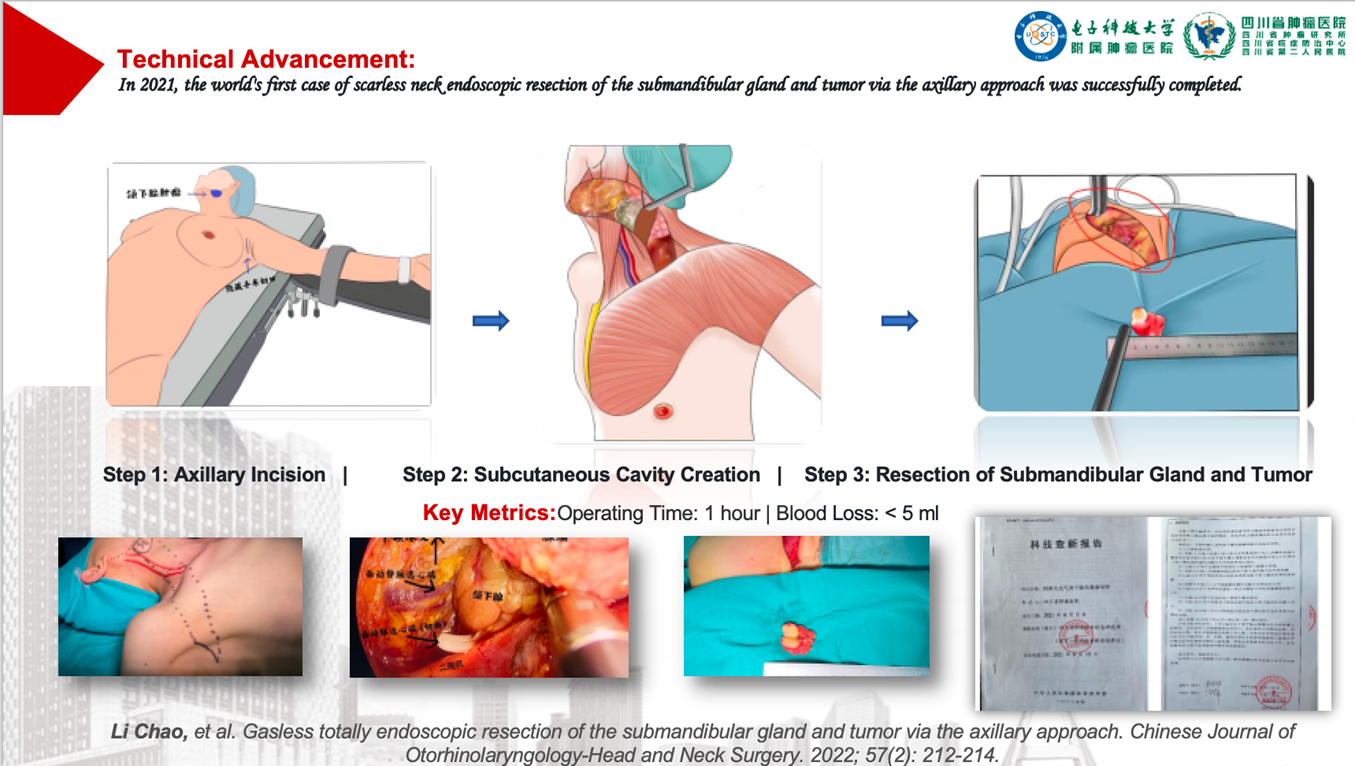
First, the world’s first da Vinci robot assisted transaxillary submandibular gland tumor resection. In 2021, the team completed complete resection of the submandibular gland via the axillary approach, without any facial or cervical incisions, fully protecting the marginal mandibular branch of the facial nerve and eliminating postoperative mouth deviation complications. This broke the traditional paradigm that submandibular gland lesions must be approached through an anterior cervical incision. Domestic clinical experience was published in the Chinese Journal of Otorhinolaryngology Head and Neck Surgery, and the research results were simultaneously published in the leading international head and neck surgery journal Head and Neck, marking the world’s first report of this surgical approach.
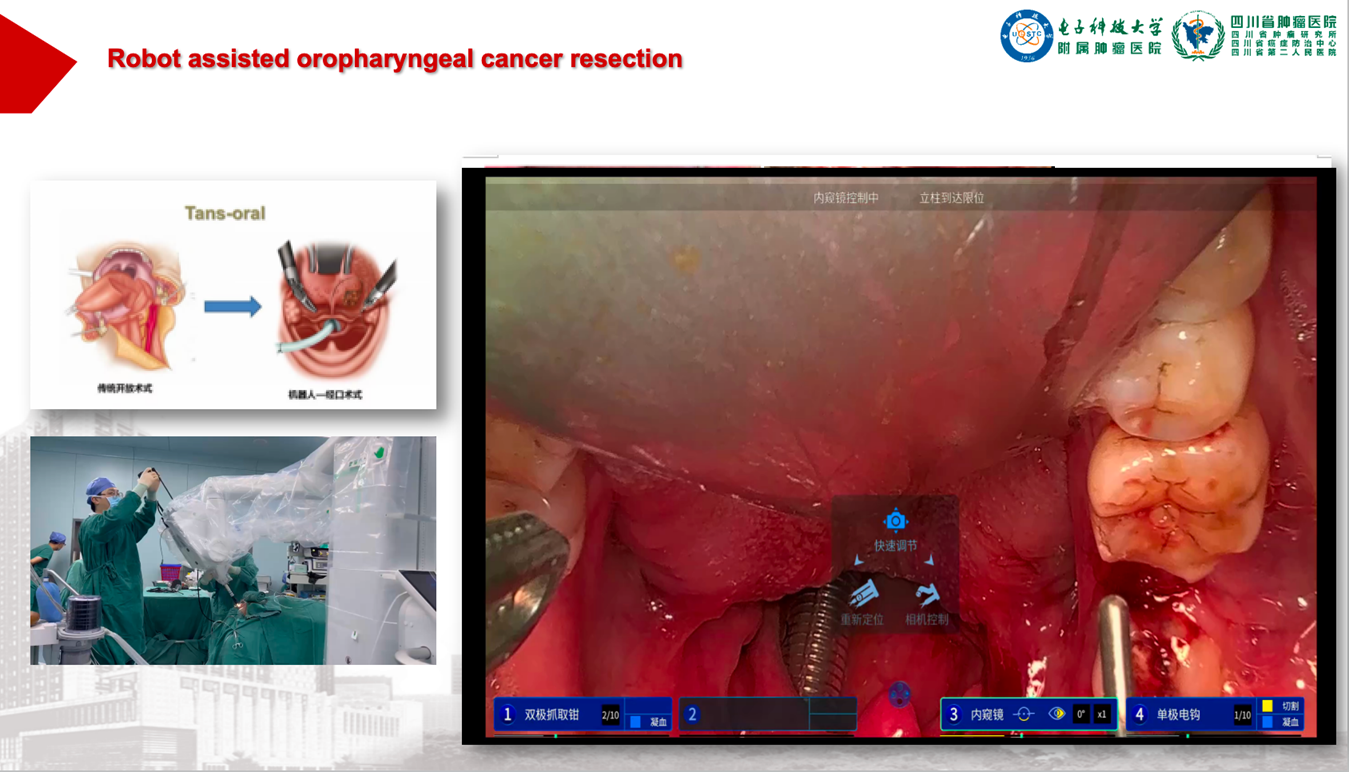
Second, a transoral specific domestic robotic TORS system for larynx and swallowing preserving surgery in China. For early to mid stage laryngeal and oropharyngeal cancers, the team promotes transoral robotic surgery via the natural oral route, requiring neither tracheostomy nor external cervical incisions. Leveraging the stability of robotic arms, the system precisely resects the lesion while maximally preserving the normal anatomy of the vocal cords and epiglottis. Patients can have their tracheostomy tube removed and resume oral intake early after surgery, significantly shortening hospital stays. The team has systematically outlined the indications grading and functional evaluation standards for TORS in China, standardized clinical implementation pathways, and provided practical guidance for grassroots medical institutions to adopt this technique through comprehensive reviews of industry development status and key application points.
Given the industry pain points of high cost of imported robotic equipment and the anatomical limitations of the narrow head and neck space, Professor Li Chao led a phase II clinical trial of a domestic single port robotic system for thyroid cancer, supported by a major national science and technology special project. The team optimized the range of motion of the robotic arms and the configuration of micro instruments to fit the narrow axillary and oral working spaces, and validated the safety and efficacy of the domestic device in terms of tumor radicality and nerve protection. This work is accelerating the clinical translation of domestically produced surgical robots, lowering the barrier to minimally invasive technology adoption in primary hospitals. Relevant clinical exploratory findings have been published in core specialty journals.
Overall, this body of research forms a complete closed loop: original surgical approach breakthroughs, standardization of procedural workflows, development of specialized instruments, clinical validation of domestic robots, and dissemination through industry guidelines.
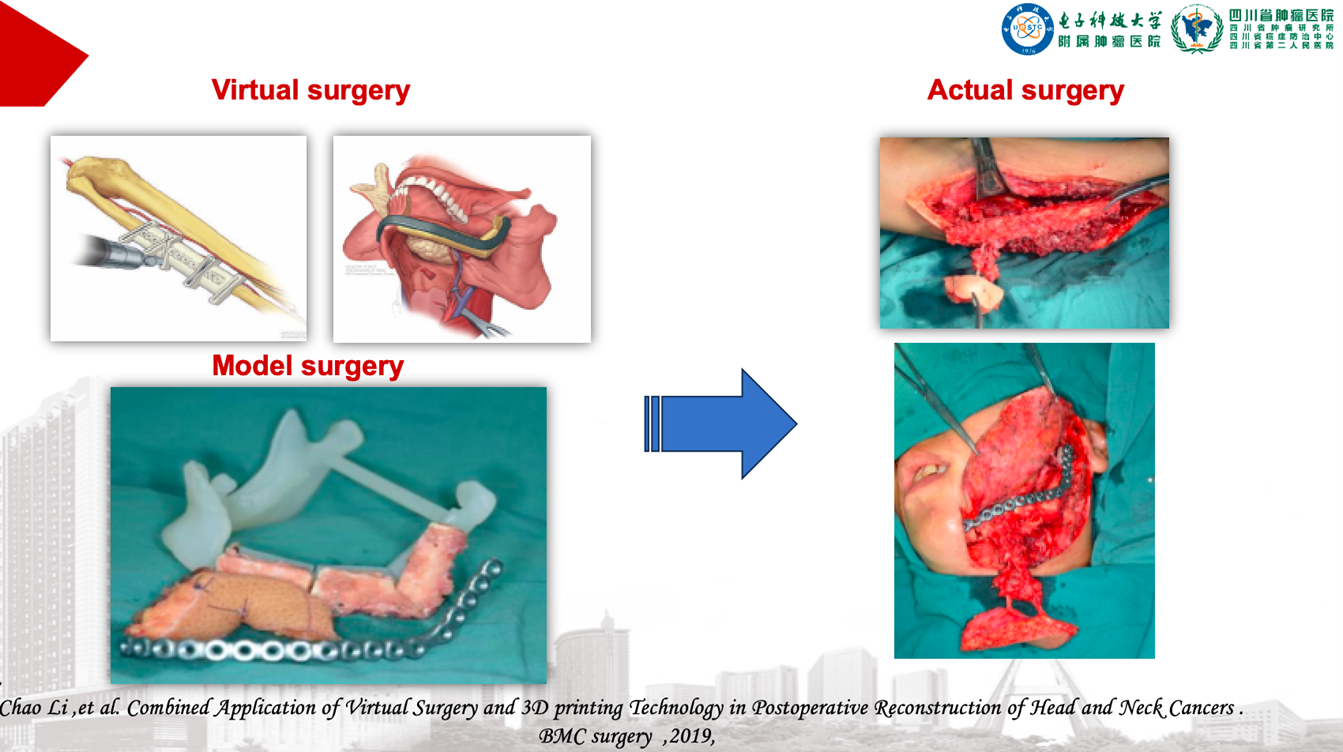
For locally advanced oral cancer and other recurrent/metastatic head and neck tumors, radical surgery often results in extensive composite bone and soft tissue defects. Conventional free flap reconstruction relies heavily on the surgeon’s intraoperative judgment, leading to substantial errors in osteotomy accuracy and bone contouring. Professor Li Chao has devoted himself to the interdisciplinary field of medical engineering, combining computer aided design (CAD) preoperative planning, personalized 3D printed guides, and immersive virtual reality (VR) simulation for individualized, one stage reconstruction of advanced post chemoradiotherapy cases. He has also established a personalized reconstruction system for scalp and communication tumors. Innovative techniques for one stage repair of facial nerve defects have improved outcomes, with related research published in Head and Neck. Multiple achievements in both Chinese and English have set domestic technical benchmarks.
The fibula osteocutaneous flap is the gold standard for segmental mandibular defect reconstruction. In traditional surgery, intraoperative fibular osteotomy and titanium plate contouring are highly variable, easily leading to occlusal mismatch and poor bone plate fit. Early on, the team carried out clinical practice of computer aided surgical reconstruction, using CAD/CAM systems for personalized reconstruction of complex mandibular defects, demonstrating the superior accuracy of digital approaches over conventional techniques. Subsequently, they conducted specific studies on high risk, advanced patients with recurrence after chemoradiotherapy. Preoperatively, thin slice CT data were acquired to reconstruct three dimensional anatomical models of the lesion, residual mandible, and donor fibula. The osteotomy sites and bone bending angles were digitally designed, and personalized osteotomy guides and matching titanium plates were 3D printed. Intraoperatively, the guides were used to execute the plan, achieving shaping errors of less than 0.3 mm, reducing operative time by 25%, and achieving excellent functional occlusal recovery in 96% of cases. These evidence based findings have been published in international SCI indexed journals of maxillofacial surgery, providing high level evidence for reconstruction of recurrent advanced head and neck tumors. For scalp and communication tumors, the team has developed a comprehensive reconstruction system using local flaps, pedicled flaps, and free flaps. Notably, for complex defects involving the skull, brain, and entire scalp, they have successfully applied 3D printed titanium mesh combined with free flaps or free flap “double layer” techniques for “sandwich” reconstruction of skull scalp brain defects and total scalp reconstruction.
Advanced skull base invasive tumors lie adjacent to the internal carotid artery, cranial nerves, and brainstem. Two dimensional CT and MRI images cannot fully display the complex anatomical relationships. Professor Li Chao’s team built a VR multimodal fusion simulation system that integrates CT and angiographic data to create three dimensional visualization models. Surgeons wearing the VR headset can observe the tumor, vessels, and nerves from any angle, pre plan the resection approach, and avoid high risk structures. At the same time, the system allows patients to intuitively understand the extent of the defect and the proposed reconstruction, reducing the information gap between doctors and patients. In advanced complex skull base surgeries, VR preoperative rehearsal significantly reduced the incidence of severe complications such as vascular injury and cerebrospinal fluid leakage, expanding the application boundaries of virtual reality technology in preoperative planning for tumor reconstruction.
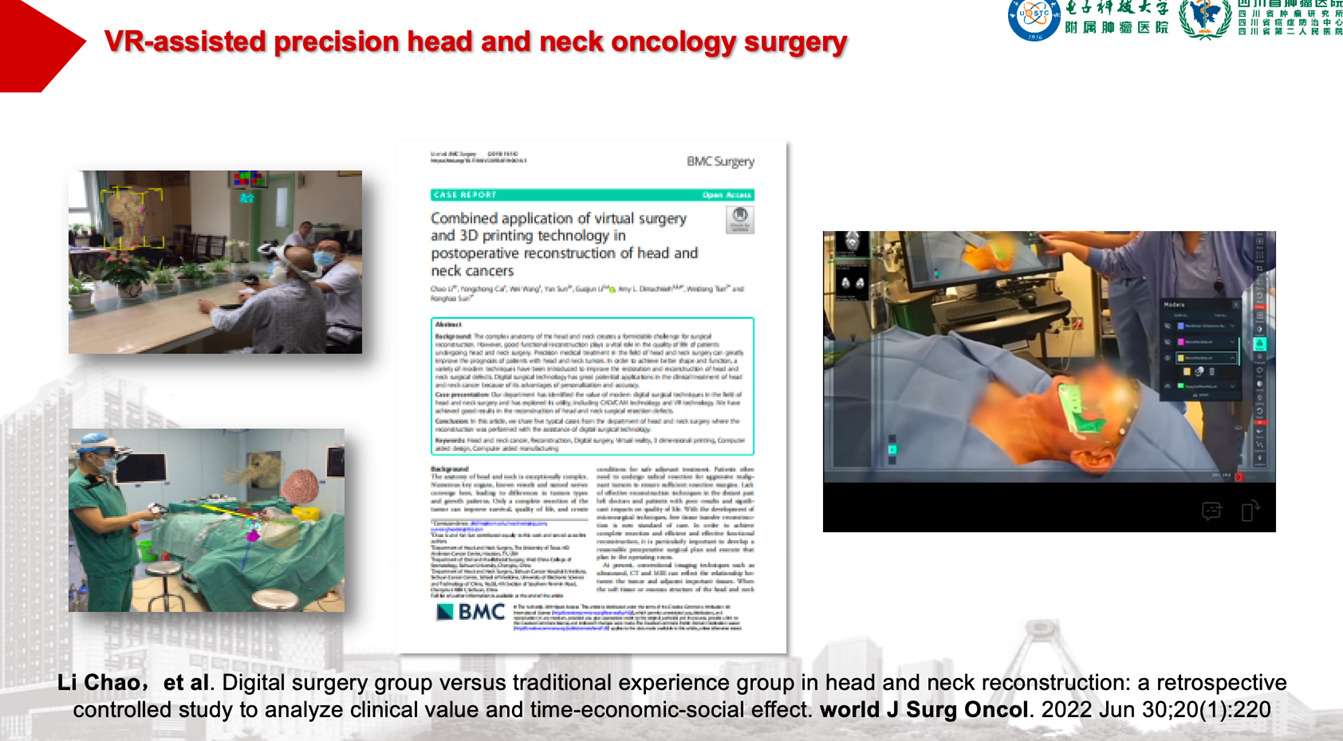
Supported by multiple national and provincial research grants, the team has established an integrated workflow encompassing “three dimensional image reconstruction – CAD surgical planning – 3D printing of surgical guides – VR preoperative simulation – precise intraoperative execution – postoperative digital occlusal rehabilitation.” This system is specifically tailored for advanced head and neck cancer patients with severe tissue fibrosis after chemoradiotherapy. While ensuring the safety of tumor radical resection, it addresses the long standing clinical dilemma of “complete resection but poor reconstruction and impaired function” in advanced tumors.
Guided by the philosophy of “prevention first, integrated medical prevention,” Professor Li Chao believes that clinical treatment alone can only intervene in patients who already have the disease; proactive health education and high risk screening are the key to reducing the diagnosis rate of advanced head and neck cancer. His team has built an integrated online offline science popularization matrix and, as a pioneer, developed a head and neck specialty AI powered chatbot, using digital technology to innovate cancer education models. Their efforts have received multiple honors, including the First Prize for Medical Science Popularization from the Sichuan Medical Association.
First, authoring authoritative popular science books. Professor Li Chao led more than 70 head and neck surgery experts from over 40 medical institutions nationwide to edit and publish Prevention and Treatment of Head and Neck Tumors: A Science Popularization Book. This book addresses more than 300 frequently asked questions from the public, covering all dimensions of screening, prevention, treatment decisions, and rehabilitation for thyroid, oral, and laryngeal cancers. It was awarded the First Prize for Science Popularization by the Sichuan Medical Association in 2024 and has been widely distributed as a standardized educational resource in primary medical institutions and health check up centers in southwestern China.
Second, regular offline public screening and education. Taking advantage of World Head and Neck Cancer Day and National Cancer Prevention Awareness Week, the team organizes province wide mobile clinics, free thyroid ultrasound screenings, and targeted lectures on the hazards of betel quid chewing. They conduct on site presentations in counties, cities, industrial and mining districts, and schools throughout Sichuan, focusing on three major preventive measures: quitting betel quid, limiting tobacco and alcohol, and HPV screening, thereby reducing high risk exposures at the source.
Third, operation of a multi platform short video science popularization matrix. The department’s official social media accounts continuously produce short educational videos on topics such as distinguishing benign from malignant nodules, postoperative dietary management, voice rehabilitation, and scar care. These videos correct common online misconceptions such as “all thyroid nodules need surgery” and “minimally invasive approaches are less effective than open surgery.” The total views have exceeded ten million, alleviating patient anxiety and guiding appropriate medical care.
Professor Li Chao’s team developed the first specialty chatbot in the vertical domain of head and neck oncology in China – the “Thyroid Head & Neck AI Assistant” (“Master Surgeon”). It was officially launched at a national academic conference of otorhinolaryngology head and neck surgery and has become a benchmark for AI empowered cancer prevention. The chatbot’s training dataset is constructed exclusively from clinical guidelines, the team’s Chinese and English research literature, and real world clinical cases, distinguishing it from the generalized answering patterns of general large language models. It provides 24/7 free online answers to the public’s questions about self examination of nodules, screening intervals, preoperative preparation, postoperative care, and early complication recognition, bridging the regional disparity in access to high quality medical education.
The system incorporates a tiered response mechanism: basic health prevention and daily care queries are answered autonomously by the AI; for cases suspected of malignancy or high risk postoperative recurrence, the system directly refers the patient to a specialist for online consultation, forming a triage model of “pre consultation science popularization → health education for mild conditions → timely specialist referral for severe conditions.” This reduces unnecessary over screening, blind consultations, and delayed care. The chatbot pioneers a new model of “AI science popularization + graded guidance” for head and neck oncology, serving as a demonstration sample for digital health education in specialty medicine nationwide, and promotes the transformation of medical work from disease centric treatment to full cycle health management.
In light of the structural characteristics of head and neck cancer incidence in China in 2024, Professor Li Chao’s clinical and research work on head and neck oncology forms a complete closed loop. Grounded in the epidemiological reality of high incidence and heterogeneous prognoses of thyroid, oral, and laryngeal cancers, he relies on endoscopic and robotic techniques to preserve organ function and aesthetic appearance. By leveraging 3D printing and VR digital technologies, he overcomes the challenges of complex defect reconstruction in advanced tumors. With the help of AI powered chatbots and a comprehensive education system, he moves the prevention threshold forward, promoting high quality, minimally invasive, precise, and domestically produced head and neck surgery in China. Through an integrated medical prevention model, he refines the full cycle prevention and control system for head and neck tumors, providing a replicable and scalable practical pathway for standardized diagnosis and treatment of head and neck cancer in southwestern China and the nation as a whole.
Chao LI , Prof & MD & PHD
National Key Clinical Specialty - Thyroid and Head and Neck Tumor Surgery
President , Chengdu Integrated Traditional Chinese and Western Medicine Hospital
Vice President, Sichuan Cancer Center
[1] Li C, Cai Y, Wang W, Li QL, Zhou Y, Liu JF, Shui C, Huang L, Deng M, Zhu GQ, Liu K, Wang SX, Chen Q, Sun R. A case of individualized repair of complex segmental mandibular defect assisted by computer-aided design and manufacturing technology. Chinese Journal of Otorhinolaryngology Head and Neck Surgery, 2016, 51(10): 780-782.
[2] Zhou Y, Jiang Z, Li C, Cai Y, Sun R, Shui C, An C, Tang Z, Sheng J, Liu D, Zeng D, Jiang J, Zhu G, Wang S. An algorithm for one-stage malignant oncologic scalp reconstruction. Annals of Translational Medicine, 2020, 8(7): 432.
[3] Zhou Y, Cai Y, Sun R, Shui C, Ning Y, Jiang J, Wang W, Sheng J, Jiang Z, Tang Z, Tian W, Zheng C, Ge M, Li C. Gasless transaxillary endoscopic thyroidectomy for unilateral low-risk thyroid cancer: Li’s six-step method. Gland Surgery, 2021, 10(5): 1756-1766.
[4] Ning Y, Wang W, Cai Y, Zhou Y, Jiang J, Zeng D, Sun R, Wang X, Zheng W, He T, Shui C, Liu W, Zhang Y, Chen X, Li C. The application of venous nerve conduit trap in the immediate repair and reconstruction of facial nerve in parotid gland tumor: an attempt of a new technique. European Archives of Oto-Rhino-Laryngology, 2021, 278(12): 4967-4976.
[5] Sun R, Zhou Y, Malouta MZ, Cai Y, Shui C, Zhu L, Wang X, Zhu J, Li C. Digital surgery group versus traditional experience group in head and neck reconstruction: a retrospective controlled study to analyze clinical value and time-economic-social effect. World Journal of Surgical Oncology, 2022, 20(1): 220.
[6] Hu BT, Wang X, Xu N, Chen ZH, Wang AL, Shui C, Zhou Y, Ma LJ, Sun R, Cai Y, Li C. Robot-assisted submandibular glandectomy via axillary-breast approach: a case report. Chinese Journal of Otorhinolaryngology Head and Neck Surgery, 2023, 58(9): 898-900.
[7] Sun R, Wang X, Malouta MZ, Zhou Y, Cai Y, Shui C, Jiang J, Sheng J, Zheng C, Tian W, Li C. Construction of a system for head and neck tumor traceless resection with non-inflatable transaxillary total endoscopic surgery. World Journal of Surgical Oncology, 2023, 21(1): 221.
[8] Zhou Y, Shui C, Ma L, Cai Y, Sun R, Jiang J, Zeng D, Wang X, Xu X, Huang P, Li C. The updated surgical steps of gasless transaxillary endoscopic thyroidectomy with neck level and region orientation for thyroid cancer. Frontiers in Oncology, 2024, 14: 1377878.
[9] Ma L, Li C. Da Vinci robot-assisted surgery for deep lobe of parotid benign tumor via retroauricular hairline approach: Exploration of a new surgical method for parotid tumors. Oral Oncology, 2024, 159: 107043.
[10] Wang X, He TQ, Zheng WH, Liu W, Zhang YY, Chen XL, Zhou Y, Shui C, Ning YD, Cai Y, Jiang J, Sun R, Wang W, Li C. A case of mandibular defect reconstruction with free iliac osteomyocutaneous flap assisted by digital technology combined with 3D printing technology. Chinese Journal of Otorhinolaryngology Head and Neck Surgery, 2021, 56(1): 89-92.
[11] Liu JY, Zhang SC, Ma Q, Zhang CM, Zhang LY, Sun R, Li C. AI-assisted precise identification and segmentation of parathyroid glands in multi-approach endoscopic and robotic thyroid surgeries. European Journal of Surgical Oncology, 2025, 51(12): 110506.
[12] Ma LJ, Zhou Y, Wang X, Liu T, Li C. Machine learning combine with nomogram to guide the establishment of endoscopic assistant system for gasless transaxillary endoscopic thyroidectomy. Annals of Medicine, 2025, 57(1): 2537354.
[13] Sun R, Liu JY, Li C. A new tool for minimally invasive scarless resection of head and neck tumors: transoral robotic surgery. Chinese Journal of Otorhinolaryngology Head and Neck Surgery, 2025, 60(3): 371-376.
[14] Ma Q, Zhang SC, Zhang LY, Liu JY, Sun R, Zhou Y, Ma LJ, Shui C, Cai Y, Li C. Exploration of domestic single-port robotic surgical system in thyroid cancer. Journal of Clinical Otorhinolaryngology Head and Neck Surgery, 2025, 39(11): 1044-1047.
22 Luglio 2026



ORL.news è un portale dedicato all'aggiornamento scientifico del medico e delle professioni sanitarie in otorinolaringoiatria.
Notizie dalla ricerca, approfondimenti, video interviste e informazione medica continua: sono questi i pilastri del progetto.
ORL.news è pubblicato da EUREKA - Editoria scientifica con il supporto incondizionato del Centro Ricerche e Studi Amplifon.

2026 © Copyright ORL.NEWS - Eureka Srl - C.F. e P.I. 01841430463
Testata giornalistica registrata presso il Tribunale di Milano (n.35 del 26/02/2020)
Consulta l'informativa sulla privacy e cookie policy | Contatti